
In this Quick Take for Consumer Counterpoint, Kristine and Paul discuss a recent TCPA decision out of Southern District of Florida where the judge declines to enter a default judgement against the Defendant finding that residential telephone subscriber, as that term is used under 227(c)(1), does not cover cell phones.
Consumer Counterpoint Quick Take: California Senate Bill 690 Passed, What’s Next?
In this episode of Consumer Counterpoint, Kristine and Paul discuss the recent passing of the amendment to the California Invasion of Privacy Act which eliminates the private right of action for Section 638.51 claims. The amendment is expected to take effect on January 1, 2027.
Subscribe to the Consumer
Federal Court Follows Bartholomew Reasoning in Denying Motion to Dismiss ALPR Lawsuit
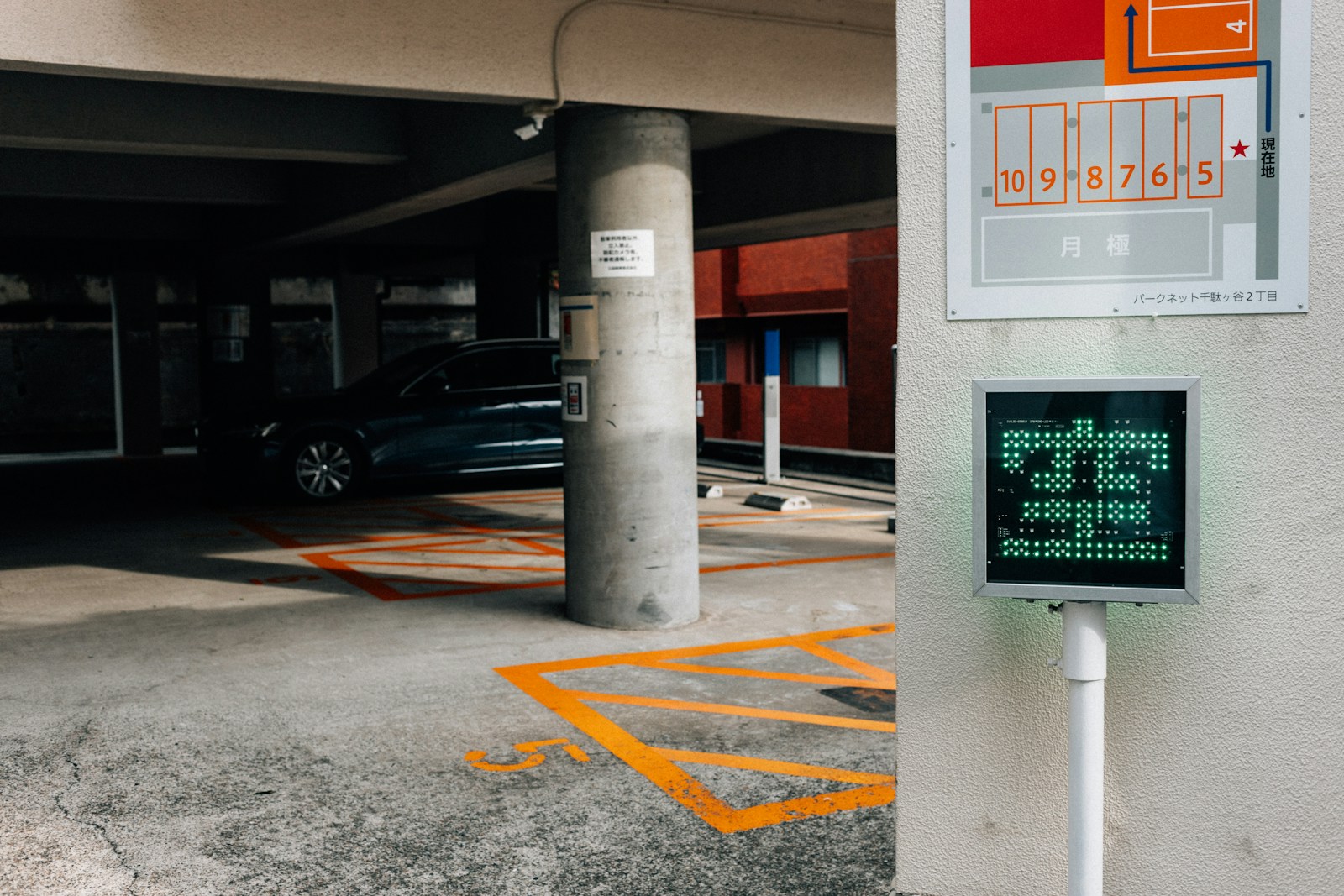
Senior United States District Judge William H. Orrick, sitting in the Northern District of California, denied a motion to dismiss last week in an Automated License Plate Recognition (“ALPR”) matter, McGinty v. Reimagined Parking LLC, d/b/a Imperial Parking.[1] Judge Orrick held that the plaintiff plausibly alleged actionable harm based on his “right to know” about the use of ALPR systems in two garages. The order follows Bartholomew v. Parking Concepts, Inc.[2] and the guidance of Mata v. Digital Recognition Network, Inc.,[3] concluding that the California Supreme Court would likely recognize violation of a consumer’s “right to know” as actionable harm under California’s ALPR law if presented with the question.
Continue Reading Federal Court Follows Bartholomew Reasoning in Denying Motion to Dismiss ALPR LawsuitCalifornia Privacy Regulator Launches First Sectoral Audit—Targets Gig Platforms

On July 21, 2026, the California Privacy Protection Agency, now branding itself publicly as CalPrivacy, announced that its Audits Division has launched its first formal privacy audit, focused on gig economy platforms operating in California. The audit is the first in a planned series of “sectoral audits” and will evaluate whether major gig platforms are complying with the California Consumer Privacy Act (CCPA), particularly with respect to consumers’ and workers’ rights to access and control personal information.
Although the audit is directed at app-based transportation, delivery, and task-service platforms, the broader message is important for any business collecting applicant, worker, contractor, geolocation, profiling, performance, biometric, communications data, or automated decision-making technology (ADMT) use in California. CalPrivacy’s focus on gig workers also reinforces a point that employers and workforce platforms should not underestimate: California privacy rights apply not only to traditional consumers, but also to employees, job applicants, and independent contractors.
Continue Reading California Privacy Regulator Launches First Sectoral Audit—Targets Gig PlatformsWebinar – Decoding Data Privacy: Vendor Contracting at the Intersection of Employment and Commercial Litigation
Thursday, August 6, 2026
2:00 p.m. to 3:00 p.m. Eastern
1:00 p.m. to 2:00 p.m. Central
12:00 p.m. to 1:00 p.m. Mountain
11:00 a.m. to 12:00 p.m. Pacific
About the Decoding Data Privacy Series
Data privacy and cybersecurity have become critical business risks for companies as they increasingly rely on technology to collect
Consumer Counterpoint Quick Take: Update on California Senate Bill 690
In this Consumer Counterpoint: Quick Take, Kristine Argentine and Paul Yovanic discuss California Senate Bill 690 and its proposed amendments to the California Invasion of Privacy Act (CIPA). They examine the bill’s latest effort to restrict private lawsuits involving alleged pen-register or trap-and-trace violations arising from websites and mobile applications, shift enforcement authority to
Consumer Counterpoint: Episode 20 – Mid-Year Update: Wiretapping Cases
Episode 20 is now live. In this episode of Consumer Counterpoint, Kristine Argentine and Paul Yovanic provide a mid-year review on wiretapping and pixel tracking litigation under the California Invasion of Privacy Act and similar statutes, including recent court decisions and what to expect later this year.
Subscribe to the
Colorado’s AI Reset: Two Weeks, a White House Callout, and a Pivot Away from the EU Model

When Colorado enacted the first comprehensive state AI law in 2024, it imported the conceptual architecture of the EU AI Act: a risk-based regime built on duties of care, risk management programs, and impact assessments. Two years later, and within a matter of weeks, the state has dismantled that legislation. On May 14, 2026, Governor
Webinar – Fair Hiring in Focus: Background Checks, AI, and Emerging Compliance Risks

Tuesday, May 19, 2026
3:00 p.m. to 4:00 p.m. Eastern
2:00 p.m. to 3:00 p.m. Central
1:00 p.m. to 2:00 p.m. Mountain
12:00 p.m. to 1:00 p.m. Pacific
About the Program
Recent developments in background screening, fair hiring laws, and the use of artificial intelligence in employment decisions continue to create significant compliance
Webinar – Under Pressure: Legal Risk for Data Driven Businesses

Thursday, May 7, 2026
1:00 p.m. to 2:00 p.m. Eastern
12:00 p.m. to 1:00 p.m. Central
11:00 a.m. to 12:00 p.m. Mountain
10:00 a.m. to 11:00 a.m. Pacific
About the Program
The next session of our 2026 Commercial Litigation Outlook Webinar Series explores one of the most dynamic risk environments facing businesses today: